To Robert Fitch [5 February 1850]
My dear Sir
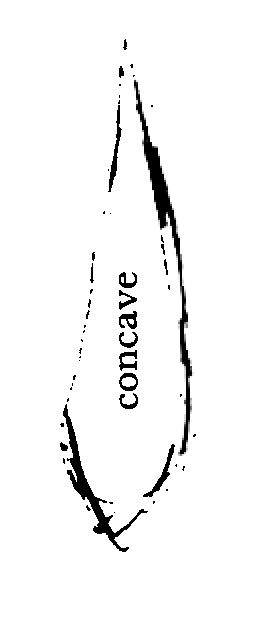
Amongst the specimens first sent, there is one embedded with its back downwards, presenting a concavity upwards: it is in present state absolutely & utterly useless every character is hidden: if you like, I will soak it & clear chalk off— But do not say yes, without you would like it, for I have not the least idea what the valve is, it may be new or it may be old.—& nothing will ever be known about it in its present state.—
I have well exhibited the additional side to the carina, which you granted me permission to do, & it is now the best specimen which I have seen & I will have it figured.—1 I have just made out a quite new beautiful & distinct species of Pollicipes out of the lot last sent2 The species are very numerous—for in Mr Flower of Croydon’s3 small collection I have found two other new & distinct species of Scalpellum from Chalk.—4
Yours very faithfully | C. Darwin Down Farnborough Kent
Tuesday.— P.S. I have opened this note to thank you very sincerely for your renewed proof of your kindness in your letter just received.—5
Manuscript Alterations and Comments
Please cite as “DCP-LETT-1301,” in Ɛpsilon: The Charles Darwin Collection accessed on