From Hermann Hoffmann 23 June 1870
Giessen.
23.6.70
Dear Sir!
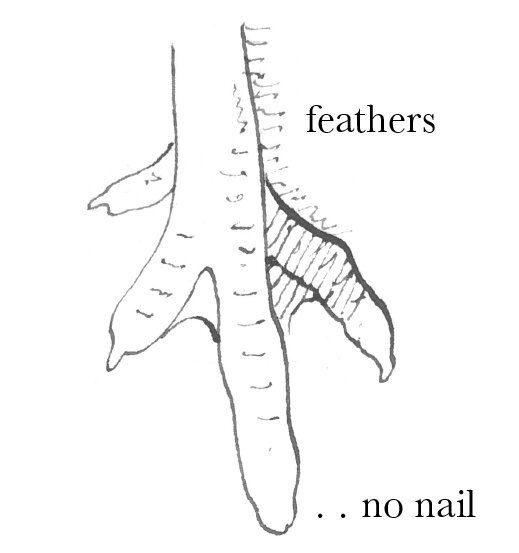
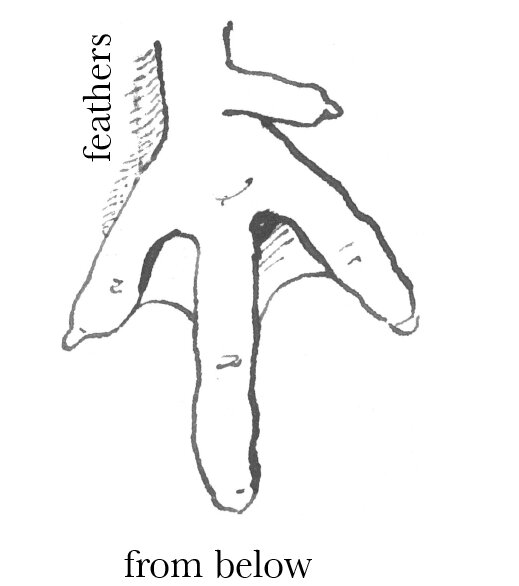
Seeing from your work on variat. in domest (germ. transl. I 1868 p. 321) that you have probablÿ not seen yourself a cock or hen with swimming-membranes between the toes, I am beg your permission to send you the copÿ of such a case, which I had an opportunitÿ to see living these latter daÿs in the neighbourhood of our town.1 The tribe, to which this young chicken belongs, is the ordinarÿ one of our peasants, of no particular or qualified charakter; the cocks verÿ often almost of the size and colour of Gallus Bankiva. The little cock was about 5–7 days old, his other limbs and everÿ visible part, the beak, eÿes, front, walk, voice were altogether normal.— The case excited some attention, the hen (mother) having been frequentlÿ covered bÿ a male-duck (anas boschas domesticus).— I see no reason to beleave his efforts in anÿ waÿ successful.2
With the highest respects | Yours | H Hoffmann | Prof.
Please cite as “DCP-LETT-7242,” in Ɛpsilon: The Charles Darwin Collection accessed on