From James Crichton-Browne 3 April 1871
West Riding Asylum, | Wakefield.
3rd. April 1871.
My dear Sir,
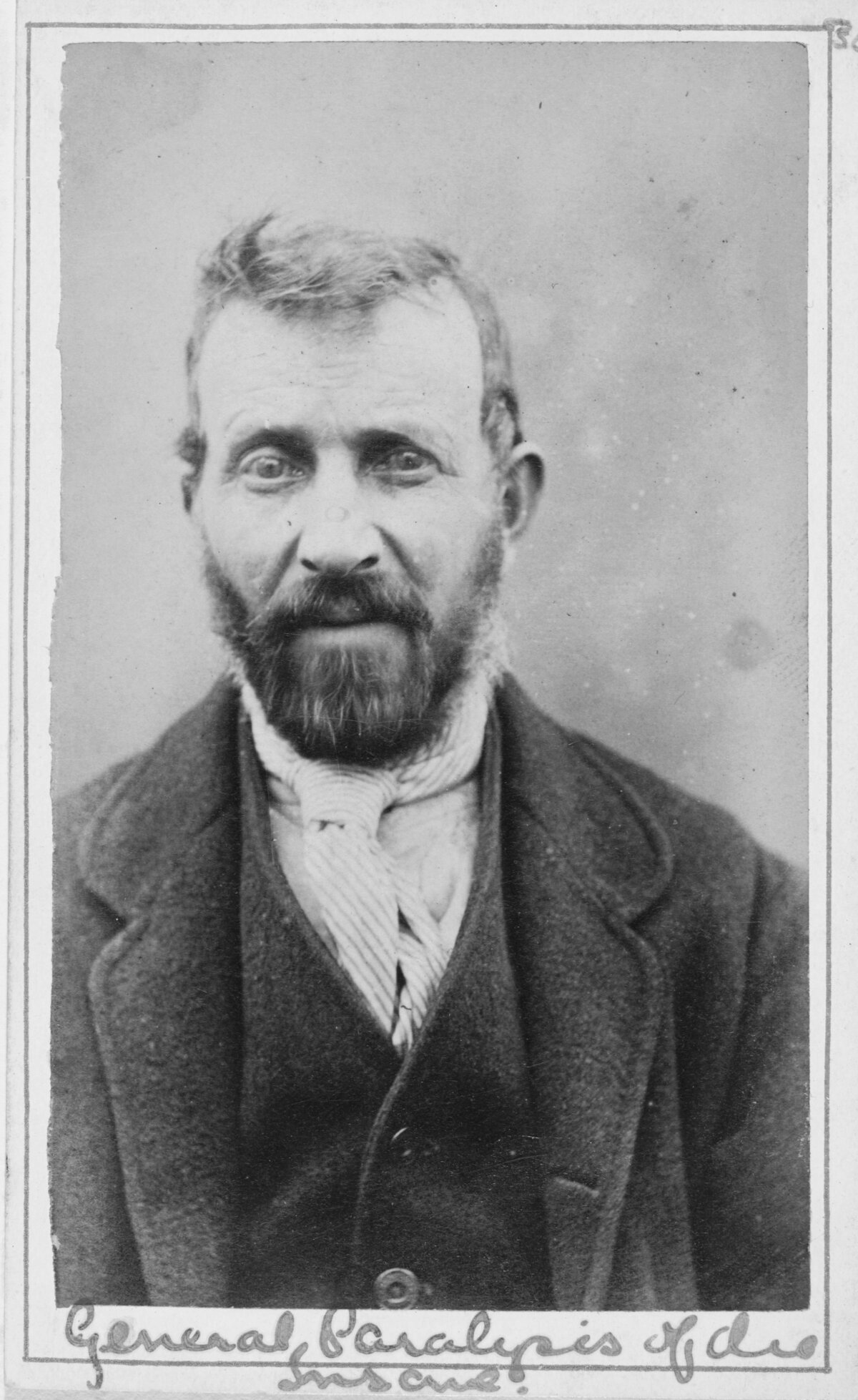
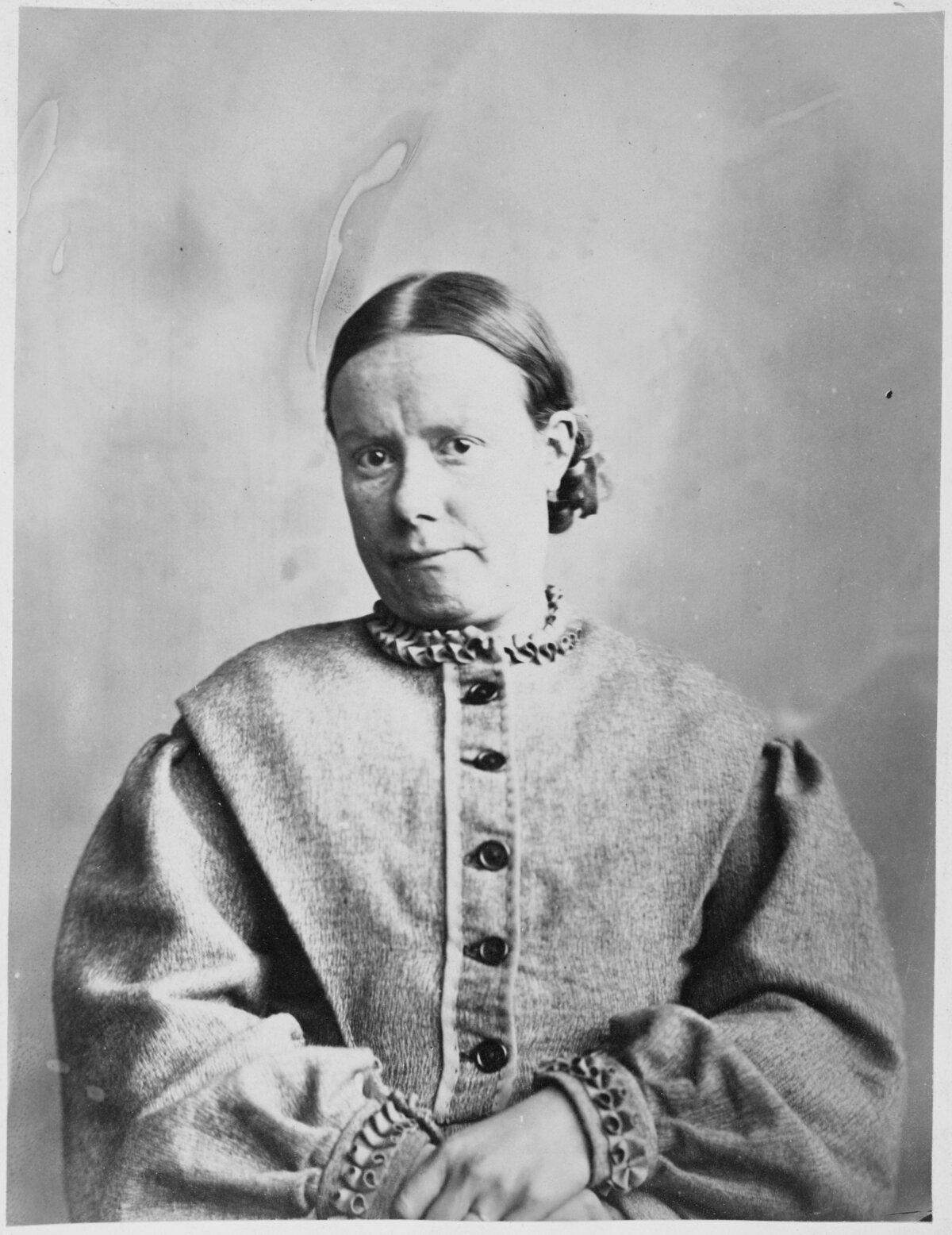
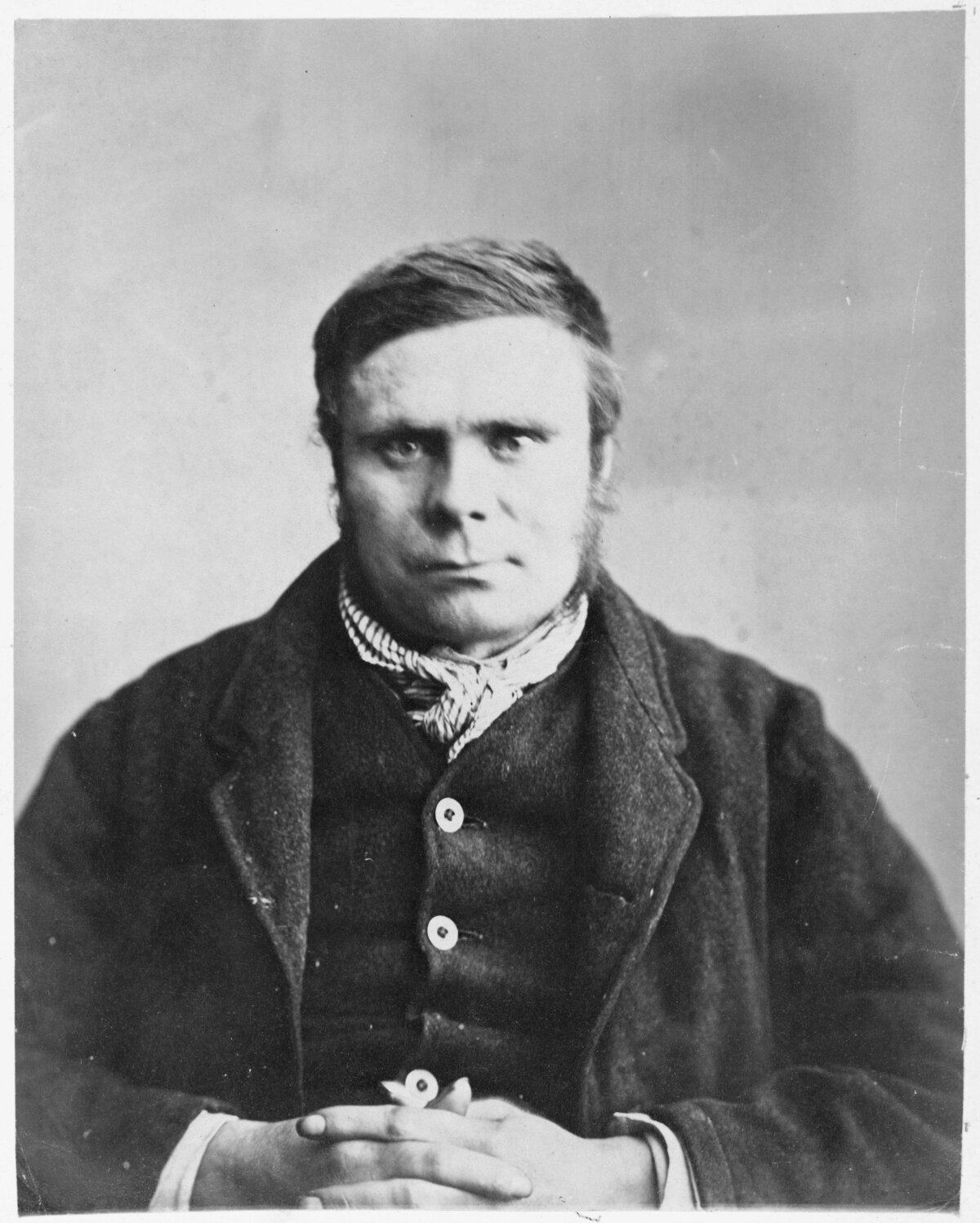
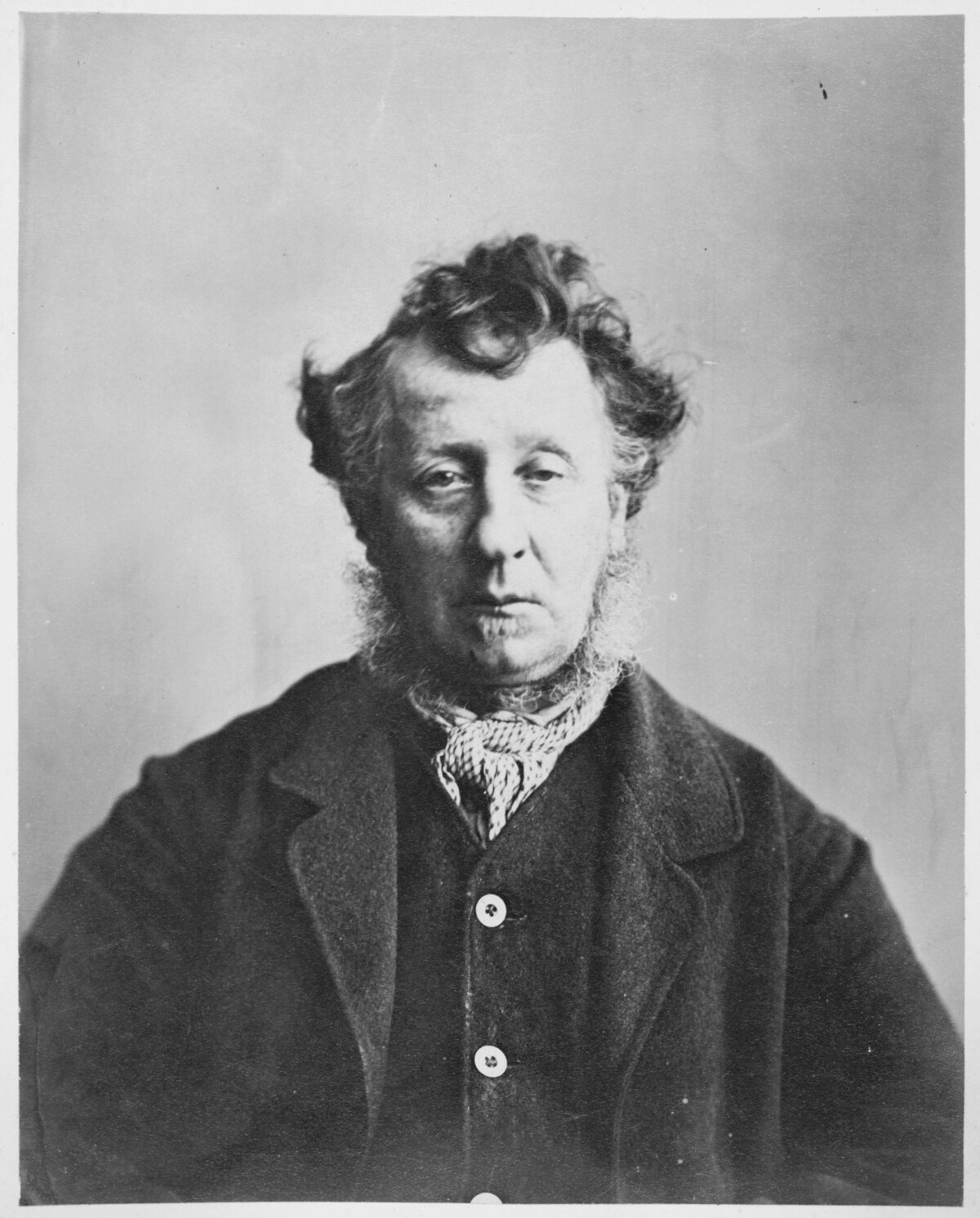
By this post I send you four photographs of General Paralytics now inmates of this Asylum.1 They are I regret to say most unsuccessful and only indicate very imperfectly the labial tremor—which I have described to you.2 The difficulty of photographic such shaky subjects is however immense and the artist is a novice.3 We shall have half a dozen more General Paralytics photographed on the first fine day.
In all those whose photographs are now forwarded to you—the exalted—extravagant profusive ideas have been well marked.4 They have given away millions daily. Unfortunately however they are a little too far advanced in the disease to afford good illustrations of its typical facial expression. Dementia is descending upon all of them—and their countenances are heavy and stolid.
I have been watching the Idiots under my care, and making various experiments upon them but have not been able to produce a genuine blush in any one of them.5 In several the face becomes red and engorged when food is placed before them and when rage is excited, but no amount or kind of scoldings produces a similar result even in those of the higher ⟨and⟩ more intelligent ⟨cl⟩ass.
With profound respect | I am | Yours most faithfully | J. Crichton Browne.
Charles Darwin Esq | &c &c
[Enclosure 1]
[Enclosure 2]
[Enclosure 3]
[Enclosure 4]
CD annotations
Please cite as “DCP-LETT-7658,” in Ɛpsilon: The Charles Darwin Collection accessed on